Source Single Mode Fiber Jumper for Telecom, Datacom, and Sensor Networks
Find and compare 30 Single Mode Fiber Jumper options from Ningbo suppliers. Evaluate specifications such as connector types (SC, LC, FC), insertion loss, and jacket materials like PVC or LSZH to select the right patch cord for your communication or sensor applications.
Key considerations
Products List




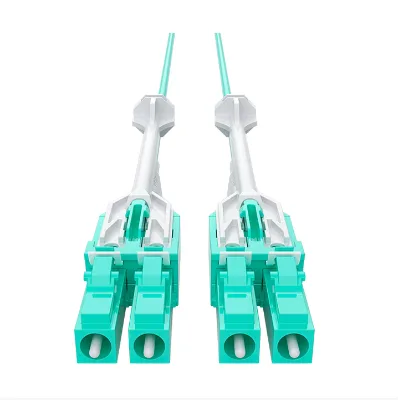
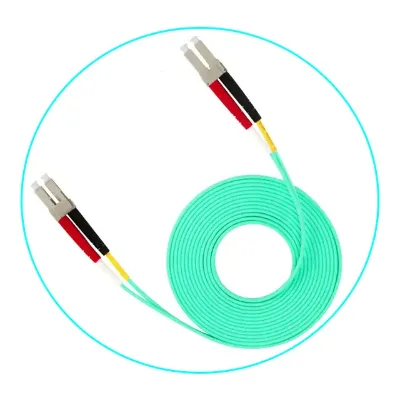
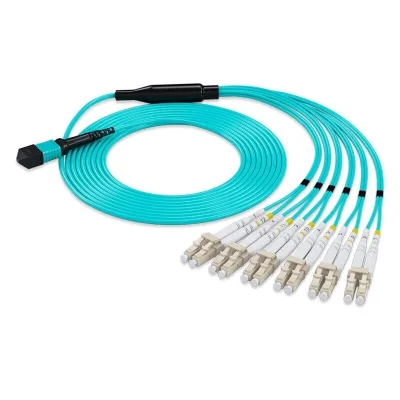


Comprehensive Sourcing Guide
Single Mode Fiber Jumper Sourcing Guide
Sourcing single mode fiber jumpers requires a disciplined approach to technical verification and commercial due diligence. These components serve as the critical link between optical transceivers and patch panels, ensuring low-loss signal transmission in high-bandwidth environments. Buyers must navigate a market where specifications vary significantly based on connector type, jacket material, and polishing style. This guide provides a structured framework for evaluating suppliers, verifying technical compliance, and managing procurement risks associated with fiber optic connectivity solutions.
The following sections detail the essential parameters for sourcing, including observed market signals, technical verification steps, and compliance requirements. By adhering to these guidelines, procurement teams can ensure that selected jumpers meet the rigorous demands of modern communication networks, data centers, and industrial sensor applications. The focus remains on evidence-based decision-making, leveraging observed product attributes and trusted industry knowledge to mitigate supply chain risks.
Product Scope and Observed Listing Signals
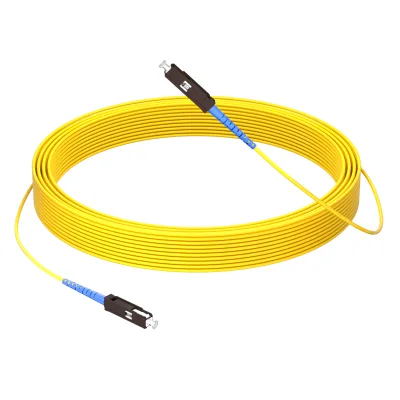
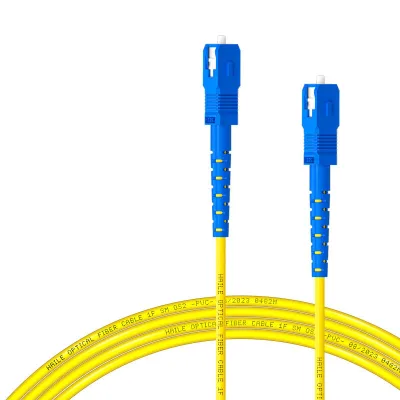
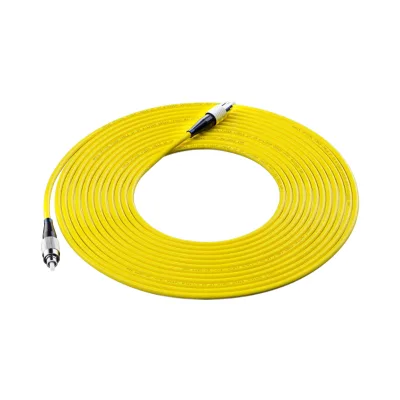
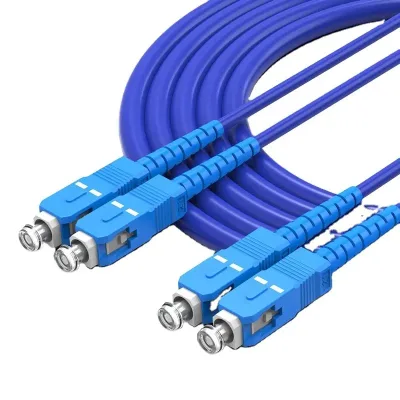
The market for single mode fiber jumpers encompasses a wide range of configurations, from standard indoor patch cords to specialized industrial-grade cables. Observed listings indicate a diverse product portfolio, including models labeled as "Pigtails Cables," "MPO Cables," and standard "Patchcords." These variations suggest that suppliers offer solutions for different deployment scenarios, such as FTTH (Fiber to the Home), FTTB (Fiber to the Building), and FTTX (Fiber to the x) networks. Buyers should recognize that the term "Single Mode Fiber Jumper" may appear alongside specific connector types like SC, LC, FC, or ST, requiring careful attention to the exact interface requirements of the end equipment.
Price and minimum order quantity (MOQ) signals provide insight into supplier scale and flexibility. The observed price range spans from $0.01 to $47.35, reflecting the vast difference between basic simplex jumpers and complex multi-core or armored assemblies. Similarly, MOQs vary from 1 to 1000 units, indicating that some suppliers cater to prototyping or small-scale maintenance needs, while others focus on bulk infrastructure projects. Buyers must align their order volume with supplier capabilities, noting that customization is available for many products, allowing for tailored lengths and packaging solutions such as individual boxes or cartons.
Technical Specifications to Verify
Technical verification begins with the fiber type and connector interface. Single mode fiber is designed for long-distance, high-bandwidth transmission, typically operating at wavelengths of 1310nm or 1550nm. Buyers must confirm the connector type, which may include SC, LC, FC, ST, E2000, or MPO configurations, depending on the equipment being connected. The polishing style is equally critical; APC (Angled Physical Contact) connectors, which typically feature green boots, offer higher return loss (≥55dB) compared to UPC (Ultra Physical Contact) connectors (≥50dB). Selecting the wrong polishing style can lead to significant signal reflection and network performance degradation.
Mechanical and environmental specifications are vital for ensuring durability in various deployment conditions. Tensile strength and lateral pressure ratings vary across products, with some jumpers supporting over 10,000N of tensile strength and others rated for lower loads. Jacket materials also differ, with PVC being common for general indoor use and LSZH (Low Smoke Zero Halogen) preferred for fire-safe environments. Operating temperature ranges typically span from -40°C to +70°C or -45°C to +85°C, so buyers must match the jumper’s environmental rating to the installation site’s conditions. Additionally, insertion loss should be verified, with many products claiming values lower than 0.2dB or 0.3dB, ensuring minimal signal attenuation.
Compliance and Safety Documentation
Regulatory compliance is a non-negotiable aspect of fiber optic procurement. Most observed products carry certifications such as RoHS, CE, and ISO, indicating adherence to environmental and quality management standards. Some listings also mention UL certification, which is particularly important for products used in North American markets or those requiring specific fire safety ratings. Buyers must request valid certification documents from suppliers to verify that the jumpers meet the regulatory requirements of their target markets. Failure to do so can result in customs delays, legal liabilities, or rejection by end customers.
Safety standards extend beyond regulatory certifications to include material safety and environmental impact. The use of LSZH jackets, for example, reduces the emission of toxic smoke and halogenated acids in the event of a fire, making these jumpers suitable for crowded spaces like data centers and public buildings. Buyers should verify the sheath material composition, as PVC jackets, while cost-effective, may not meet strict fire safety codes in certain jurisdictions. Additionally, the origin of the products, often listed as Ningbo, China, should be considered in the context of trade regulations and supply chain transparency requirements.
Cost Drivers and Commercial Terms
Several factors influence the final cost of single mode fiber jumpers, including connector type, fiber count, and jacket material. Simplex or duplex jumpers with standard LC or SC connectors are generally more affordable than multi-core MPO assemblies or armored industrial cables. Customization options, such as specific lengths or unique packaging, may incur additional charges. Buyers should request detailed quotations that break down costs by component, allowing for accurate comparison between suppliers. It is also important to consider the total cost of ownership, which includes potential costs associated with installation, maintenance, and replacement due to premature failure.
Commercial terms, including MOQs and payment conditions, play a significant role in procurement strategy. Suppliers with lower MOQs may charge higher unit prices, while those requiring larger volumes may offer more competitive rates. Buyers should negotiate terms that align with their inventory management practices, avoiding excessive stockpiling while ensuring supply continuity. Lead times and shipping methods should also be clarified, as delays in delivery can impact project timelines. Understanding these commercial dynamics helps buyers optimize their purchasing decisions and maintain a resilient supply chain.
Supplier Qualification and Quality Control
Supplier qualification involves assessing the manufacturer’s production capabilities and quality control processes. Buyers should verify that suppliers have established quality management systems, such as ISO certification, and conduct regular inspections of raw materials and finished products. The ability to provide test reports for insertion loss, return loss, and mechanical performance is a strong indicator of a supplier’s commitment to quality. Additionally, suppliers should offer customization services, allowing buyers to specify exact requirements for length, connector type, and packaging.
Quality control extends to packaging and labeling, which protect the jumpers during transit and ensure easy identification on-site. Observed packaging options include individual boxes and carton packages, with some suppliers offering custom packaging according to customer requirements. Buyers should ensure that each jumper is clearly labeled with its specifications, including fiber type, connector type, and length. Proper packaging also minimizes the risk of damage to the delicate fiber ends, which can lead to high insertion loss or complete failure. Establishing a clear quality agreement with the supplier helps define acceptance criteria and dispute resolution procedures.
Long-Term Procurement Checks
Long-term procurement success depends on continuous monitoring of supplier performance and product reliability. Buyers should track key performance indicators (KPIs) such as defect rates, delivery times, and responsiveness to technical queries. Regular audits of supplier facilities and quality control processes can help identify potential issues before they impact production. Additionally, staying informed about industry trends and technological advancements ensures that the sourced jumpers remain compatible with evolving network requirements.
Feedback from end-users and field performance data are valuable tools for evaluating the long-term reliability of the jumpers. Buyers should establish a feedback loop with their engineering and operations teams to report any issues related to signal loss, connector wear, or environmental degradation. This information can be used to refine procurement specifications and select more suitable products for future orders. By maintaining a proactive approach to supplier management and product evaluation, buyers can ensure a stable and high-quality supply of single mode fiber jumpers for their network infrastructure.
FAQs
What certifications do single mode fiber jumpers typically have?
These jumpers commonly carry RoHS, CE, ISO, and UL certifications. Specific models may also feature connection structures like FC or SC, ensuring compliance with international safety and environmental standards for communication networks.
Which connector types are available for single mode fiber jumpers?
Available connector types include SC, LC, FC, ST, E2000, and MPO configurations. Buyers can select from various polishing types like APC or UPC to match specific network requirements and insertion loss standards.
How does the operating temperature range affect single mode fiber jumpers?
Operating temperatures generally range from -40 to +85 degrees Celsius depending on the specific model. This wide range ensures reliable performance in diverse environments, from indoor facilities to outdoor FTTH and FTTB networks.
Can single mode fiber jumpers be customized for specific needs?
Yes, customization is available for length, jacket material, and connector types. Buyers can request specific lengths like 1m, 2m, or 3m, along with options for PVC or LSZH jackets to suit their application.
What is the typical insertion loss for single mode fiber jumpers?
Insertion loss is typically lower than 0.2dB for standard models and under 0.3dB for others. High-quality units also offer return loss values of 50dB or higher for UPC and 55dB for APC polishing types.
Where are single mode fiber jumpers manufactured?
These products originate from Ningbo, China, as indicated by the product origin data. Manufacturers in this region supply various models including patch cords and pigtails for global communication and sensor applications.
What are the tensile strength limits for single mode fiber jumpers?
Tensile strength varies by model, ranging from over 100N to more than 10,000N. High-strength cables designed for harsh environments can withstand significant pulling forces while maintaining structural integrity during installation.